

A world full of colors is a world worth living for. Colors can make the difference in a project. Doesn't matter if it is the dullest project of all, and you have no budget to make new structures, colors and textures are your best allies here.
You have to consider that the human eye is carried away with what fascinates it, and colors are such a high stimulus that one can prefer a place over another just by its color palette. This happens because a combination of colors can create an ambience worth staying because people identify with it. No wonder why coffee shops are so successful. Of course there are other factors that contribute, like smell, lightning, a concept creation and such.
If I have to be very specific about the subject there are more that a 100 colors available, but all descend from the top 3 basic colors and its secondaries. These is the main list of colors with its meanings and which places are best used:
Red: Definitely the most passionate one. This color represents all intensity and excitement that helps stimulate and draw attention. It is often used for focal points, the entertainment and food industries. A lot for high demanding attention like fire protection and all sorts of important singling. Some people like to apply this color for accent walls. I highly recommend not to use this color in the entire room since it will create the sensation of saturation and make the place smaller.
Blue: It is most people's favorite color. Doesn't matter if it is light or dark blue, it is such a great color to start with. This color gives a sense of security, responsibility , wisdom, and trustworthiness. It reduces stress providing calmness and order. It's often used for places where you can or need to be relaxed like living, offices, bedrooms, banks, and others.
Yellow: Such a full of life color. It is energetic, enthusiastic, full of opportunities and promotes happiness or positivity. It also demands so much attention and encourages awareness and spontaneity. It is often used for advertisements, schools, recreational rooms, and exteriors. This color is used nowadays with a dark tone and tends to simulate modern and whimsical places.
Orange: Although we've started with the secondaries, they're their own world and deserve some attention. Orange can be a powerful color, representing optimism, independence, adventure and creativity. It is generally used in offices, art departments, resting rooms, etc. Since it's a color that promotes communication it is great when applied in living rooms or dining rooms.
Green: The nature color. It helps revitalize a room and it's often related to growth, a safe place, creates stability, kindness, and most: balance. Although it's always related to nature and plants, it can be demonstrated as an elegant color when used in a dark tone. Sometimes it's related to money so it's usual to find this color in banks, real estate agencies or such.
Purple: or Violet and its variants is a color of independence. Promotes creativity, mystery, and inner security. Helps to reduce stress and inspires an impression of luxury. It's often used in technology, bedrooms, fashion, and stores.
Pink: Such a lovely color often promoting childhood, love, immatureness and innocence. It is mostly used for nurseries, kids bedrooms, stores, and beauty products. This color could work in so many more places but it is already denigrated to be used in women's related things.
Grey: A variant between white and black but worth mentioning because it is such a neutral color that balances a room easily. It can be used in any plane you want because it is practical, formal and promotes any interior design you'll like. Helps working with textures and such. Kind of like a clear canvas but not white.
White: technically neither white nor black are official colors, more like all colors combined (white) and no colors at all (black), but when designing is a tone you'll definitely need even if you don't want to. Basically is the base to everything. The color of pureness, loyalty, order and balance. It is not bad that you'll prefer the entire room painted in white, since you can make it the way you want just from materials, furniture and textures. Promotes amplitude, so it is no wonder why it is better to sell a house all painted in white. Obviously works great with any other color.
Black: Last but not least, this color emanates power, authority, elegance and control. It often intimidates and is associated with mystery. Sometimes it can make the room feel a little bit smaller, but when well used it has the entire opposite effect. It all depends on a great quality finish, because when applied poorly it shows off all the defects quickly. Works great with any color too, but better with white, grey, yellow, and red.
Even though we have covered all basic colors, I think it is best to get an insight on different color palettes used for interior designs, exteriors and product designs. This can help you with different styles you want but don't know where to start:
Nude palette: It covers all beige colors, from white to brown. It is an elegant but very simple palette. Often used in fashion, and in very low key places like museums, auditoriums. Since it is very simple, it can create a very minimalistic and elegant ambience. Generally people use these colors and let their object colors pop in the room. This palette doesn't draw any attention and wants to be very discrete.
Pastel palette: Imagine all the colors but very very light: pink, light green, cyan, light purple, etc. This palette can relate with the color Pink description. Used easily in kids rooms, schools, offices. Generally people use these tones in the entire house.
Neon palette: Now we're talking. This palette is not afraid of anything and wants adventure and of course Attention. Often used for very attention demanding rooms like clubs, teens room, showrooms, music rooms and more.
Whimsical palette: Usually is a combination of colors related to nature and a touch of bohemian or vintage. Generally are a set of greens, yellow, brown, orange, and beiges. This palette is often used to get a very comfortable ambience, like restaurants, living rooms, terraces.
Warm palette: Imagine a sunny day in a vineyard with a cup of coffee. Colors brown, orange, yellow, grey and maybe lilac. This palette usually tries to make a place relaxed like you have time to waste. Sit back and relax. Coffee shops, restaurants and book stores use this palette.
Cold Winter palette: Black, grey, dark red, navy blue, and some beige are the representing colors. This takes an atmosphere of professionality, elegance and maybe impersonal. Loving these colors in studios, bedrooms, stores and offices.
I'm sure there are more of these and you can even create your own color palette depending on the feeling you want to convey. Playing with colors is something that every designer should do before deciding on a theme or at least buying the paint! I hope you have a great time entertaining yourself with these. Remember, you can always paint it in another color if you didn't like what you chose.
- Details
- Written by: Arch. Glenton
- Category: LATEST POSTS
- Hits: 1335


The struggle is real. One of the worst things that could happen in a project is to have a dreadful, difficult and stubborn client. This is a situation you definitely don’t want to be in and if you happen to be in this position it is better for you to always have a plan. The worst thing that could happen to anyone anywhere, because well, we live in a world full of different personalities, and of course: bad luck. Don’t blame yourself because you’re only trying to succeed in your career, make a name for yourself and grow your client list.
How to recognize one before it’s too late.
- No Credentials
This is a phantom/fake client. Is not exactly a difficult client and it could also not be one, but is definitely a red flag if you don’t establish some ground rules. Try to get all your client’s information as possible: phone number, address (of the project), email, etc. something that tells you this is a real person and wants to do real business. Engage him/her enough but not too much. If you’re unsure, you can establish a little contract just to be sure he’s honest.
- Doesn’t know what he wants.
This may be the most typical one. This is the type of client that could go months and months with different proposals and may make you think you will never nail it. Sometimes this client will imply that you’re not doing a good job or you don’t ‘’get’’ him, but relax, this is not the case. The last thing you need is being depressed or concerned about your own abilities. When this happens, creating a Moodboard is key. It will save you lots of time figuring out a new design or colors. This tool can help your client untangle his thoughts and decide on a theme or style. You can also establish a number of changes he’s allowed before charging extra. No one wants to pay extra for something that may not be necessary, and this may prompt him to make an effort and work with you.
- Mr. & Mrs. Perfect
Everything needs to be perfect, from shapes, to colors to textures, to the last detail of your final images. If you’re in the construction phase, I’m talking about buying the exact sunglasses you represented in the rendering. Nothing needs to be crooked or slightly scratched. Not a millimeter less or more. Depending on your suppliers, this client is not impossible, you just have to be the police and verify every single piece of the project. Unfortunately, this is nothing you can fix, they’re just the way they are. The best thing you can do is BE THERE 100% of the time. The worst thing that could happen is them blaming you for allowing a catastrophe to happen. If this compromises your time and effort, arrange a supervision fee or designate someone doing that job.
- ‘’Way too expensive’’
For this client your work is so easy and you can make it in no time. In fact, he thinks that with an app everything should be fine. The real fact is that your work has value, and you invest time in it. Complaints about the bill are so normal nowadays, that people are starting to lower their cost so much just to stay happy with the client but not with ourselves. And let’s clarify something: your work may not be as hard or time consuming as the client says, but that doesn't mean that you haven’t spent years studying and learning about how to do all these things. Your time and effort will be charged as you may think is best. (And just to be sure, you can always compare with the regular costs a company would charge) In this situation, it is best to clarify from the beginning all possible charges and fees for your work. When setting up a budget, try to offer your work at a higher rate just to be able to negotiate and lower it down for you to end on your wished number.
- Fast and Furious.
Here, Time is no joke. This client demands so much for so little time. It’s the perfect formula to end up exhausted, frustrated and even angry because he will always require some changes. The time of delivery is very important to clarify at the beginning of the project. It’s always a better practice after a meeting to inform when the changes will be ready or schedule the next meeting to follow up. Some of these clients won’t be patient enough, and you can always negotiate. Don’t give in to all the time he says, and try to reach the middle point if this is the case.
I wish I could promise you a magic solution for every single case, but the reality is that every scenario is different and you’re going to have to handle it the best way you can possibly think of. This is my small but very important list I’ve figured out when dealing with the worst people:
- Listen
Listen to all their concerns. People like to be heard and always wish for understandment. I’m not trying to defend anyone here, but everyone has a lot in their hands. Sometimes the design is not always accurate because it is our wishes instead of the client’s.
- Offer Solutions
Even with the worst clients, they rely on you. They hired you in the first place, so take advantage of that and try to give 110% to make your client happy with all of the solutions you can think of. Is better for the client to notice disposition in you.
- Negotiate
It’s always better to come to an understanding instead of ending things badly with the client. In some cases, you won’t get any profits because of how bad things could go, but it’s better for your reputation to maintain your last drop of patience.
- Terminate the project
My least favorite but definitely a reality. If you notice that it’s not worth all the trouble, and you keep losing time, money and patience, your client is not happy either and wants the same thing, it’s best to identify the moment you need to leave for the greater good. This doesn’t mean you’re bad at what you do, just that it was bigger than you could handle and that’s fine. Opportunities will not stop coming.
- Details
- Written by: Arch. Glenton
- Category: LATEST POSTS
- Hits: 1635


Sometimes it is a set of emotions and work combined that there are days when you feel exhausted and burned out. These are the days you reconsider and evaluate all your decisions and make you doubt your own capacities. A lot can come off the design process, even if it is frustration or inspiration, and sometimes, at the end of a project, you just need to decompress for the next challenge.
This is the time when everything should stop, but doesn’t and it won’t. After all, the show must go on. The important thing is that you use your tiredness and transform it into something productive or even just throw it away. Either way, here are a few options that will help you take off some of the pressure off your shoulders.
Take the day off
I really hope you can do this. I know sometimes you just can’t with everything going on, but this helps a lot specially when everyone is driving you crazy. Postpone all your meetings, cancel all your appointments for that day and spend it as if there were no tomorrow. Just quit -for that day- everything that has to do with what makes you exhausted. You can use your time to go to the movies, a spa, spend the day with family, friends, a day at the beach, go shopping, anything that takes your mind off.
Exercise
You won’t have a problem with this one if you’re an active person. I’m definitely not one of them and die every time I try to make it a habit *Resolution for New Years*, but it is one of the most decompressing things when you are too tense and your emotions are about to burst out. Clear your mind, do some Yoga, running, swimming or such.
Engage in new Art.
Nothing better than focusing on the things you love. Being a designer involves so much art and esthetics that you need to let your eyes enjoy new horizons. A way to reconnect with your designer self is searching for what inspires you, like artistic magazines, museums, travel, go to the theater and re-understand why you chose this path.
Find your inspiration
Whether it is enjoying with friends, or watching a movie, or even resting, the Inspiration will come if you search for it. Be patient, cause it may not happen overnight. Don't get frustrated if this doesn't happen instantly, you should always enjoy the ride and see where it takes you.
Remember the experiences.
I’m not sure if you’re one of those people who really enjoy delivering to a client and seeing their happy faces. Besides all the stress and time consuming is something really precious to see and you treasure it in your heart with other precious achievements and memories. I’m sure one of them and I get why you would do the whole process all over again. It’s so worth it! What gets me more excited is deciding on whatever detail I prefer and go shopping for beautiful lamps or carpets -red flag for shopaholics here-.
My point is, you should remember why you end up in this situation in the first place and attach to it, because this is the reason why you should stand on your feet again ready to overcome all obstacles.
- Details
- Written by: Arch. Glenton
- Category: LATEST POSTS
- Hits: 1185


Creating a design, thinking of a project idea, achieving a business diagram or even imagining a future with a complete creation involves a development of a Concept. Your success may be closer if you start including a concept. This method includes a wide range of industries: Product development, Architectural services, Engineering purposes, Fashion, Food, and more. But how to create it? First, let’s understand what a Concept is.
The conceptualization is the foundation and core of a project. It turns into the reason for the complete creation that ties every idea together. You could choose to skip this first step when designing, but a design without concept does not engage that easily, instead, with a base idea the creation flows like a river. It’s the origin of everything (of your project obviously)
Inspiration
Turn on your favorite music sky high, do some exercise to clear your mind, spend quality time with the people that you love and feel good about yourself, or any other activity that gets you inspired because it’s Inspiration time. This is the most well invested time that you could give to your project, after all, your success depends on a great idea (no pressure).
Sometimes it takes longer than expected, but as long as you are satisfied with what you achieve you can take your valuable time as needed. Don’t bang your head against the wall, I know the frustration is real, instead, let it flow. It’ll come. Think of it as an amazing journey about to be discovered and you just have to dig deeper to find that treasure.
Research
Don’t get me wrong, Originality is very important. Spending time viewing other people’s projects may help you get an idea of the latest trends and materials. Creating a folder with reference images can define what you like or prefer, or even determine what you don’t want to include. Also, knowing your competition is key. The purpose is to stand out from the majority and be a competent player. What’s the saying? Keep your friends close but your enemies closer.
Know your client AND user.
Having a client is a great motivator to create a big success. Everything depends on whether you know your client’s taste or needs. Knowing your client is a powerful tool when it comes to creating a space or object, since you already have the clue of the path you need to take. Sometimes you’ll come to a place where you find yourself lost or confused because your client doesn’t know what he wants, and it’s the time when you need extra inspiration and know your competition.
The best you can do here is have options. Start sketching and polish 2 or 3 proposals, so you give your client different kinds of schemes and styles. Best scenario, you end up understanding where your client wants to be driven, and Worst, keep on developing a compelling concept.
Your user plays an essential part. After all, they’re the ones that are going to use the space, and if that doesn’t cover their needs, neither will the client have them covered. Start by putting on their shoes and consider yourself as the user. For example, if it is a cafeteria you're designing, go to a considerable amount of existing ones and be critical. Think of the things you like and don't like about them, styles, colors, think of the way they make you feel. Secure? Warm? Impressed? Nothing at all? This takes us to our next item to consider.
It's all about the Experience
This can sound a bit hedonist, but the success of a concept is to develop emotions and positive experiences for the users. If the result of your visit was 'Nothing at all', then it's not memorable. You as a creator, must take an effort on turning a place (object) into an experience (feelings). We as sentimental and influential beings, get carried away and unconsciously prefer to shop, eat, or be in one place over the other.
The Don't s
Part of understanding what a Concept is, let's understand what it isn't. This is a basic list of the Don't s you need to stay away from:
- Don't make it obvious/literal: For example, if it is a coffee shop avoid filling it with coffee grain shapes.
- Concept is not only colors: involve textures, patterns, volumes, even light.
- Copy-paste: don't repeat. Re-interpret.
- Develop a negative experience or feelings: too many colors may induce in an anxious space. One color makes it boring.
A Concept creation may be dreadful at the beginning, but once you master this ability, the rest of the design will be easily developed.
- Details
- Written by: Arch. Glenton
- Category: LATEST POSTS
- Hits: 1249

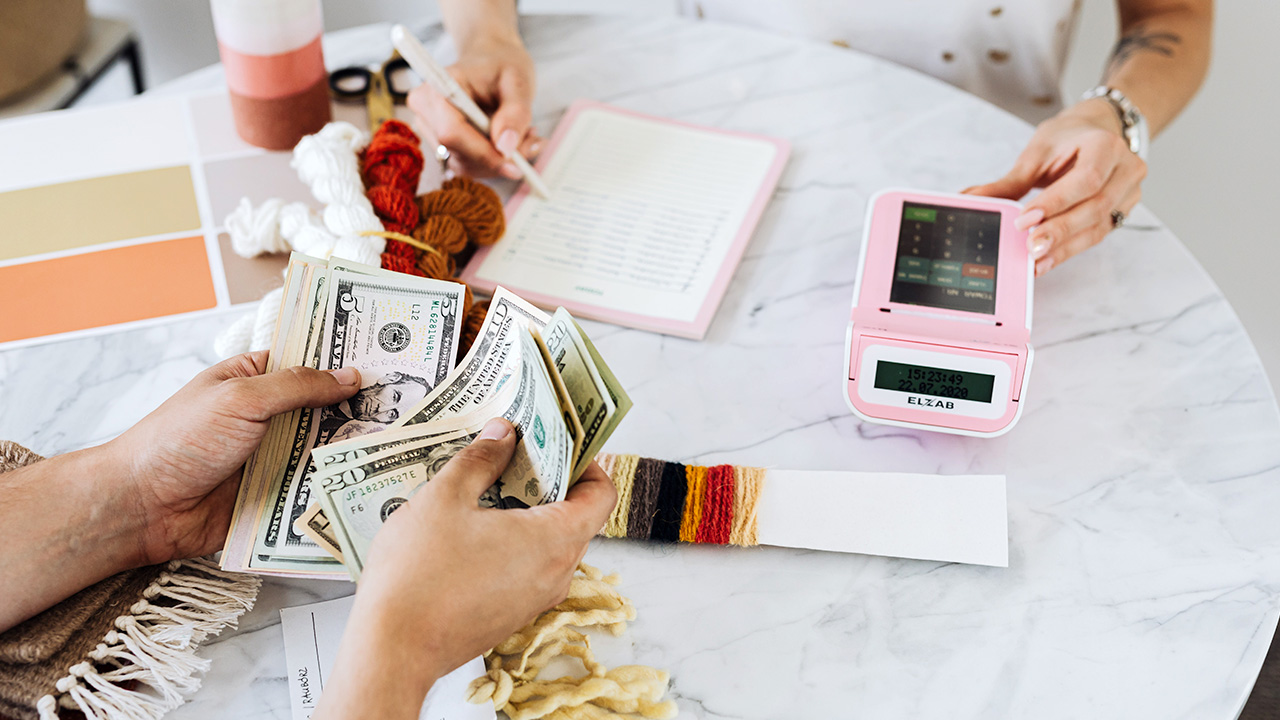
You've reached a point where you want to proceed with your design but don't know how much it will cost or what you should spend. Creating a budget is one of the main steps you need to do before creating your masterpiece. It will save you stress, money and time. This is a step I fully recommend because it gives you the idea of costs instead of giving you heart attacks during the entire construction.
You can use this guide for any project, not only interior design. It can help you with your groceries, chores, finance, and more. So, Let's begin!
#1 - Define your project
Is important for the project to be completed. Wait until you have everything designed or approved by the client. This way you won't have to do do-overs or confusing thinking which version was what. Consider while designing all the materials, furniture, and start thinking where to get everything. This is a great time to explore the stores or suppliers if they offer what you want.
#2 - Make THE list.
For this, the best tool for me is an Excel table. List every item you can think of. From the base paint to the ultimate flower decor. Even new sheets if is a bedroom, or a set of archives if is an office. When I say everything is literally Every single thing. This will help you avoid any surprises during the execution. These are the things you need to consider:
- Workforce for assembling, tiles, lighting installation, plumbing, painters, etc.
- Materials (ex. Fabric for cushions, carpets, plants, pots, paint, chairs, electronics, etc)
- Transport fees (if moving heavy furniture)
- Shipping fees (if buying online)
- Any tools. (screwdrivers, hammer, drills, etc)
#3 - Time for Quotes!
Once you have a list of everything you need to buy, it’s time to start asking for quotations and time of delivery. I recommend asking for quotes first instead of buying the entire thing at once because you need to first know all your future expenses and the total amount of investment of the project. It’s just a way of protecting your wallet. This is very important and practical when designing with built-in furniture. This way, you’ll be able to create a timeline of every activity or decide when a supplier will start and finish.
You can ask for a quote by giving the person a sample image, and basic dimensions. If it is paint, square meters will do, but if it is a built-in furniture the more details you can give, the better. Some quotes don’t require so much detail, like transportation, or just to ask for the price of an object in a store.
#4 - Time for Numbers - Get ready to be scared.
Get in there with a cup of coffee and start filling in the blanks in that excel table you created of the list of every inch in your design. With all the info you have collected, you now have the total amount of money you need to have. Sum every item considering items that didn’t require a quote. This step will give you a specific idea of the total cost of the project.
A very important recommendation is for you to consider an additional 10-30% of the total cost for contingencies. We just can’t predict the future! This helps with accidents, timeline adjusting, or even changing an entire material. If you’re doing this for a client, make sure you’re including your profits.
#5 - Choose. Not giving up.
If your total costs of the project is something you were calculating, is below your expenses and can achieve, congrats! You may now proceed to swiping your card. If not, and the result was in a full heart attack, then these are 3 options you can consider WITHOUT giving up your project:
- Stages: Execute the project in 2-4 stages. This way you’ll be able to manage your expenses better and still get what you desire. Start with the big changes first like demolition, infrastructure, plumbing, new walls, etc., and in the next stages dedicate to the decor.
- Extend the time of finish: Between a supplier and another, there is time. Try giving yourself the time you need to achieve perfection. If you’re a perfectionist, you won’t have trouble with this. This option will give you an opportunity to evaluate your expenses after every activity you finish.
- Change suppliers: The Internet is a vast world of options. Some products are being sold at a lower price somewhere. Find them. If you achieve better prices you can know resume at #4 of the list.
- Make compromises: I don't recommend redesign the entire project but do evaluate the type of materials I'm suggesting. Sometimes changing a little bit a shape or texture will save you lots of money.
#6 - Proceed!
Not much to say here, just to start! Think of it as a new adventure. I know you’ll succeed, so the best of luck!
- Details
- Written by: Arch. Glenton
- Category: LATEST POSTS
- Hits: 1295
